Tuesday, 28 October 2014

10 Best Places to Visit in Romania

Located on the Balkan Peninsula, Romania is a country of contrasts. The former Soviet Bloc country has, over the years, belonged to the Romans who gave the country its name, the Hungarians and the Ottomans. It is filled with quaint old towns, mountain resorts that offer great skiing, and a burgeoning art community. It’s most famous citizen, however, may be the vampire Dracula, a fictional character found in Transylvania. An overview of the best places to visit in Romania:
10Danube Delta
Danube Deltawikipedia/Goliath
The majority of the Danube Delta, Europe’s second largest river delta, lies in Romania. Originally part of the Black Sea, the Danube Delta is a good place to observe nature. It is home to many unique species of plants and animals in Europe, as well as contains 23 different ecosystems, including some of the world’s largest wetlands. Previous visitors rave about the spectacular sunsets and highly recommend taking a slow boat ride on the river.
9Cluj-Napoca
Home to the country’s largest university, Cluj-Napoca is considered the unofficial capital of the historical region of Transylvania. The city, which pre-dates the Roman colonization, is one of Romania’s arts and cultural centers. Home to a large Hungarian population, Cluj-Napoca features a statue honoring one Hungarian king. Built in the 14th century, the Gothic St. Michael’s Church has the tallest church tower in the country. The National Museum of Art, housed in a former palace, has a large collection of work by Romanian artists.
8Mamaia
Mamaiaflickr/Alex Panoiu
Located on the Black Sea, Mamaia is Roman’s most popular seaside resort. Mamaia is small, however, situated on a strip of land that is about 8 km (5 miles) long. It has great white sand beaches, just made for sunning or people-watching. Mamaia has a water park, but activities are limited for small children. Adults, however, might enjoy a few lessons at the wind-surfing academy.
7Timisoara
Timisoaraflickr/Panoramas
Located in western Romania, Timisoara is one of the country’s largest cities, dating back to the early 13th century. Once part of the Ottoman Empire, it was the first European city to have electric street lamps. The city has bounced back after sustaining heavy bombing damage from both sides during World War II. Unlike many European cathedrals, the Timișoara Orthodox Cathedral was only built in the 20th century, but the central, notable for its 11 towers, houses many historic religious objects as well as vintage icon paintings.
6Bucharest
Bucharestwikipedia/Mastermindsro
Bucharest is a city that combines the old with the new. Visitors might come across a centuries-old building, a modern high rise, and a Communist-style building all in the same block. This modernizing European capital boasts the largest Parliament building in the world with 3,100 rooms and 12 stories high. Tours of this impressive building, constructed in 1984, are given frequently throughout the day. Also not to be missed is the old town center with its narrow cobblestone streets and old buildings, including medieval churches.

5Sinaia
Sinaiawikipedia/Geluxc
Sinaia is a mountain resort town that grew up around a monastery that was named for Mount Sinai. The monastery, which contains a copy of the first Bible printed in Romania, is a popular site today with tourists, who enjoy hiking in the summer and some pretty tremendous downhill skiing in the winter. King Charles I built his summer home, known as Peles Castle, near here; it also is a popular tourist attraction. The town is noted for having pretty flowers, but visitors who pick them can find themselves in hot water, as this is not allowed.
4Painted Monasteries
Painted Monasterieswikipedia/Petr Sporer
Among the most picturesque attractions of Romania are the Painted Monasteries of Bucovina in the northeastern part of the country. Their painted exterior walls are decorated with elaborate 15th and 16th century frescoes featuring portraits of saints and prophets, scenes from the life of Jesus, images of angels and demons, and heaven and hell. The best-preserved are the monasteries in Humor, Moldovita, Patrauti, Probota, Suceava, Sucevita, and Voronet.
3Brasov
Brasovwikipedia/Doru10stefan
Located in central Romania, Brasov boasts everything from dynamic modern city life to old world charm and fascinating scenery. Surrounded by the Carpathian Mountains, the city is considered a mountain resort, with skiing and ice skating facilities. A top sight is the Black Church, a Gothic cathedral so named because smoke from a huge 17th century fire blackened the stones. Visitors also may want to take a stroll down Rope Street, which is the narrowest street in the country.
2Sibiu
Sibiuflickr/CamilG
Sibiu, once part of Hungary, dates back to the early 12th century. The city is located in Transylvania, an area that is associated with vampires, including Dracula, but it’s highly unlikely that visitors will run across any in this day and age. Instead, travelers will find the Grand Square, in use since the 15th century, and Baroque buildings, including Brukenthal Palace, home to one of the oldest museums in the world. Visitors may also want to be on the lookout for remnants of old fortifications used to defend the city hundreds of years ago.
1Sighisoara
#1 of Best Places To Visit In Romaniawikipedia/Marculescu
Also located in Transylvania, Sighisoara is one of the best places to visit in Romania due to its beautiful preserved walled town. During the 12th century German craftsmen and merchants, The Transylvanian Saxons, were invited here by the King of Hungary to settle and defend the frontier. They established a thriving trading town here and the citadel visitors see today. It was later extended and enlarged in the 14th century. Every July a Medieval Festival takes place in the old citadel. The landmark of the city is The Clock Tower, a 64 meter (210 foot) high tower build in 1556.
10 Top Tourist Attractions in Norway

It’s easy to picture pillaging Vikings and scenic fjords when thinking about Norway. This land of the summer midnight sun, however, offers much more than that, including picturesque waterfronts, well-preserved wooden churches and great hiking trails. Quaint medieval towns, filled with modern amenities, are just waiting to be explored. An overview of the top tourist attractions in Norway:
10Roros
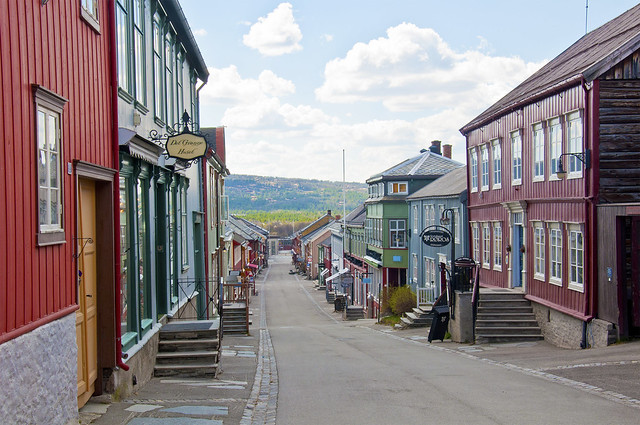
Rorosflickr/geithe
Roros is a good place to learn about copper mining as it occurred a few centuries ago. Copper mining started there in the 17th century and continued for more than 300 years, until 1977. The town has about 2,000 wooden houses that have been preserved in their blackened state, suggesting a medieval look. The town itself was established in 1646 by the Roros Copper Works. Farmlands surround the former mining operation, which include the remains of a smelter. The town is on the Winter Transport Route that used frozen lakes, streams and rivers to move people and goods.
9Urnes Stave Church
Urnes Stave Churchwikipedia/Micha L. Rieser
The Urnes Stavkyrkje, or Urnes Stave Church, blends several architectural styles into a medieval church that is still standing after 900 years. What is remarkable about this church, however, is the building material used: wood, instead of the traditional stone. Located on Norway’s west coast, the church blends Celtic, Viking and Romanesque features in a church that stands majestically in the woods. Urnes is one of 28 stave (wooden) churches in Norway as well as one of the oldest, having been built in the 12th century. Artifacts link pre-Christian Norse culture with medieval Christianity.
8Voringfossen
Voringfossenflickr/kennymatic
Vøringfossen is Norway’s most famous waterfall, cascading down 180 meters (600 feet) in a series of drops, though it ranks only 83rd on the list of Norway’s highest waterfalls. Vøringfossen is located at Mabodelen, a narrow valley between Oslo and Bergen. Tourists have been visiting Vøringfossen for almost 200 years; a hotel built in 1880 at the top required guests to walk up 1,500 steps to reach their accommodations. The top is easier to reach these days, but the falls aren’t as powerful as they once were because of a hydroelectric plant built upstream.
7Nidaros Cathedral
While William the Conqueror was busy invading Great Britain in 1066, the Vikings were occupied with building Nidaros Cathedral in Trondheim. Nearly 1,000 years later, the cathedral is Norway’s most important church and Scandinavia’s largest medieval building. The cathedral was built to honor Olav, a Viking chieftain who later became a king and a saint. Olav was killed in a battle near Trondheim in 1030; his nephew began constructing the Nidaros Cathedral in 1066 to house his body; it was basically finished in 1090, though enlargements continued until the 1300s. The cathedral soon became an important pilgrimage destination in Norway.
6Nordkapp
Nordkappwikipedia/ZorroIII
Nordkapp, or North Cape, is a must for travelers who want to frolic under the midnight sun, since the sun never sets between May 14 and July 29. It is the northernmost point in Europe connected with the international road network. Because it’s in the far north, rising 300 meters (1,000 feet) above the Arctic Ocean, Nordkapp is mainly a summer destination, attracting about 200,000 visitors annually. Nordkapp offers stunning scenic views, with plenty of opportunities to hike under the Arctic sun or see puffin in their native habitat.
5Jostedalsbreen Glacier
Jostedalsbreen Glacierflickr/GeorgeDement
Icy and scenic is perhaps the best way to describe Jostedalsbreen Glacier, the largest glacier in Europe. Situated in southern Norway, the glacier is surrounded by Jostedalsbreen Glacier National Park. Many, many years ago, locals could cross the glacier on foot, perhaps herding animals on their way to market, but this isn’t possible today as the glacier has shrunk significantly. Hiking and glacial skiing is allowed, but sportsmen need to be well prepared as these activities can be dangerous. It is much safer, and just as pretty, to take one of the walking tours around the park.
4Viking Ship Museum
Many centuries ago, the Vikings sailed the northern seas, striking fear in the hearts of the region these fierce warriors were about to invade. Today, visitors can view, unafraid, some of these terror-causing vessels as the Viking Ship Museum in Oslo showcases some of these great ninth century ships. The list includes ships from Gokstad, Oseberg and Tune, including two of the best preserved wooden ships in the world from that era. The Oseberg ship is the best preserved and was found in a burial mound on a farm near Oseberg. The museum also displays textiles, tools and household items as well as items found in Viking tombs.
3Heddal Stave Church
The Heddal Stave Church is Norway’s largest stave church, with triple naves that stand proudly against the sky. The church, made entirely of wood, was built in the 13th century; according to local legend, it was built in three days by five farmers. After restorations in the 19th and 20th centuries, the church is still in use today for weddings and Sunday services during the summer months. Located in Notodden, the church is dedicated to the Virgin Mary.
2Bryggen
Travelers who get “museumed” out may enjoy a visit to the Bryggen waterfront, an informal museum that doesn’t seem like a museum. Traditional buildings line the waterfront with boats tied just feet away on Bergen’s seaside. The scene is so picturesque, visitors can easily forget Bryggen is linked to Bergen’s importance as a trading center for 400 years during the Middle Ages, when it was part of the Hanseatic League. Today’s traders can shop in trendy boutiques, visit craftsmen’s studios or enjoy a bite to eat down a narrow alleyway.
1Geirangerfjord
#1 of Tourist Attractions In Norwayflickr/superfluity
The most famous tourist attractions in Norway are probably it fjords. Among the most beautiful of these fjords isGeirangerfjord, located in southwestern Norway near the coastal town of Ålesund. Stretching for more than 15 km (9 miles) long, Geirangerfjord is a natural wonder of deep blue water surrounded by majestic cliffs and lush green mountains towering more than 1,000 meters (3,500 feet) high. Adding to the spectacular scenery are several stunning waterfalls and lush countryside dotted with picturesque farms.

10 Top Tourist Attractions in Vienna

Vienna is a city that has given the rest of the world some very precious things: the graceful Viennese waltz, delicate and deliciously sinful pastries, and a few great classical composers. But Austria’s capital and largest city has also provided the world with its fair share of historical personalities and moments. It is a city that represents refinement and culture to visitors, who will not lack for things to do. An overview of the top tourist attractions in Vienna:
10Wiener Rathaus
Wiener Rathausflickr/swampa
The Wiener Rathaus isn’t a place where visitors can eat wieners, though a notable restaurant serving Vietnamese delicacies is located on the premises. Rather, it serves as Vienna’s town hall, as well as the seat of government for the State of Vienna. The Gothic-style building, constructed in the 1880s, features the Rathausmann that sits on top of the tower and is a symbol of Vienna. The Wiener Rathaus is currently undergoing an extensive renovation that is expected to be completed in 2023.
9Spanish Riding School
Spanish Riding Schoolwikipedia/sparre
The Spanish Riding School is a traditional riding school for Lipizzan horses that offers public performances in the Winter Riding School in the Hofburg. The Riding School calls these performances classical dressage, but most viewers would call it magic. The school has been training horses like this for more than four centuries. The 68 stallions – their ancestors came from Spain – have trained and performed at the Winter Riding School since about 1735. Horses and riders both undergo special training that lasts for many years.
8Graben
Graben is one of the most famous streets in central Vienna. The word Graben means “trench” in German, and dates back to an old Roman encampment in the Austrian capital. Back in those days, Vienna was surrounded by a city wall, with a trench alongside of it. The trench was later filled in and became one of the first residential streets in Vienna. Craftsmen originally lived in wooden houses on the Graben, but it gradually evolved into a market place and later residences for the city’s elite. Today it is an up-scale shopping promenade, with many local specialties such as Wien Porzellan.
7St Stephen's Cathedral
St Stephen's Cathedralflickr/photoAtlas
St. Stephen’s Cathedral, also known as Stephansdom, had humble beginnings as a parish church in the 12th century. Today, it is the home church for the Catholic archbishop in Vienna. The church was destroyed in World War II but was rebuilt in seven years, with worship services still held daily. The cathedral, one of the city’s most important landmarks, reaches high into the Viennese skyline. Its impressive roof is covered by 230,000 glazed tiles. The cathedral has more than 18 altars, all built at different times, and contains precious works of art as well.
6Burggarten
Burggartenwikipedia/Hubertl
The Burggarten is a once-royal garden that is a bit of England in Vienna, as it is patterned after English gardens. The Burggarten was the court garden for the Hapsburg rulers. One Austrian ruler, Kaiser Franz II used to work in the garden, which is now a place where people can enjoy outdoor lunches on pleasant days. A memorial to that great Austrian composer, Mozart, can be found in one corner of the garden, while the Palmenhaus, a magnificent glass palm house, is located in the northern part. The left part of the Palmenhaus houses the Schmettlerlinghaus where visitors can see tropical butterflies and even bats.

5Ringstrasse
The Ringstrasse is a road, slightly more than 5 km (3 miles) long, that circles Vienna’s inner city. Ordered built by Emperor Franz Joseph in the mid-19th century, many of the most important buildings in Vienna line both sides of the street: palaces, museums and stately homes. Buildings along the road include the State Opera, the Natural History Museum, City Hall and the Vienna Stock Exchange. The buildings represent various architectural styles, and are all considered architectural masterpieces. Construction of the Ringstrasse started in 1857, with the street opening in 1865.
4Belvedere Complex
Belvedere Complexflickr/Will Clayton
The Belvedere is an integral part of Vienna’s historic scene, consisting of several palaces and an orangery that dates back to the late 17th century. It consists of the Baroque palaces, the Lower and Upper Belvedere; palace stables and the Orangery, all set in a Baroque-style park. Prince Eugene of Savoy had the complex built for this summer home. During the French Revolution, the palaces served as home to French royalty fleeing their country. The Belvedere is stunning to look at during the night when it is all lit up, and well as provides great views of Vienna.
3Hundertwasserhaus
The Hundertwasserhaus is a colorful apartment building near Vienna’s center in the Landstraße district. It is named after Austrian artist Friedensreich Hundertwasser who developed the concept in the 20th century, with noted architect Krawina doing the building’s design. Each of the 52 apartments is a different color; some just out from the building proper, with several trees covering the roofs, while more trees grow inside other units, their limbs sticking out windows. Construction on the innovative apartment building ended in 1985; today, it is an intrinsic part of Vienna’s cultural heritage.
2Hofburg Imperial Palace
Hofburg Imperial Palaceflickr/Fernando
The Hofburg Imperial Palace has played an integral part of the Austrian government scene since it was built in the 13th century. It has been home to some of Europe’s most powerful royalty over the centuries, including the Hapsburgs and rulers of the Holy Roman and Austro-Hungarian empires. Today it is a museum and home to the president of Austria. The palace has numerous wings and halls built by various royalty over the centuries, but only three parts are open to the public today: the Imperial Apartments; the Sisi Museum, dedicated to Elizabeth, wife of Emperor Franz Joseph, and the Silver Collection, a collection of Imperial household objects.
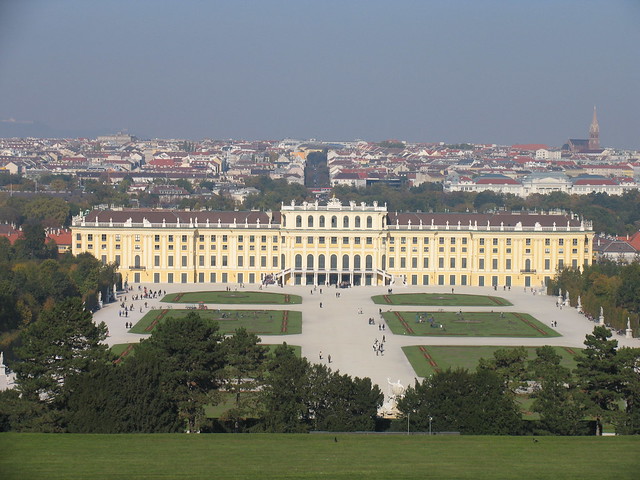
1Schönbrunn Palace
#1 of Tourist Attractions In Viennaflickr/khoogheem
The 1,441 room Schönbrunn Palace, comparable in grandeur to Versailles, is one of the major tourist attractions in Vienna. The palace was built between 1696 and 1712 at the request of Emperor Leopold I and turned into the imperial summer palace by Maria Theresa. The Palace Park offers a lot of attractions, such as the Privy Garden, the oldest zoo in the world, a maze and labyrinth, and the Gloriette, a marble summerhouse, situated on top of a 60 meter (200 feet) high hill.